


One of the most persistent requests we’ve received over the years has been remarkably simple on paper:
“Will Arcanaut ever make another case size?”
The answer has always been yes.
But “yes” in watchmaking is rarely immediate.
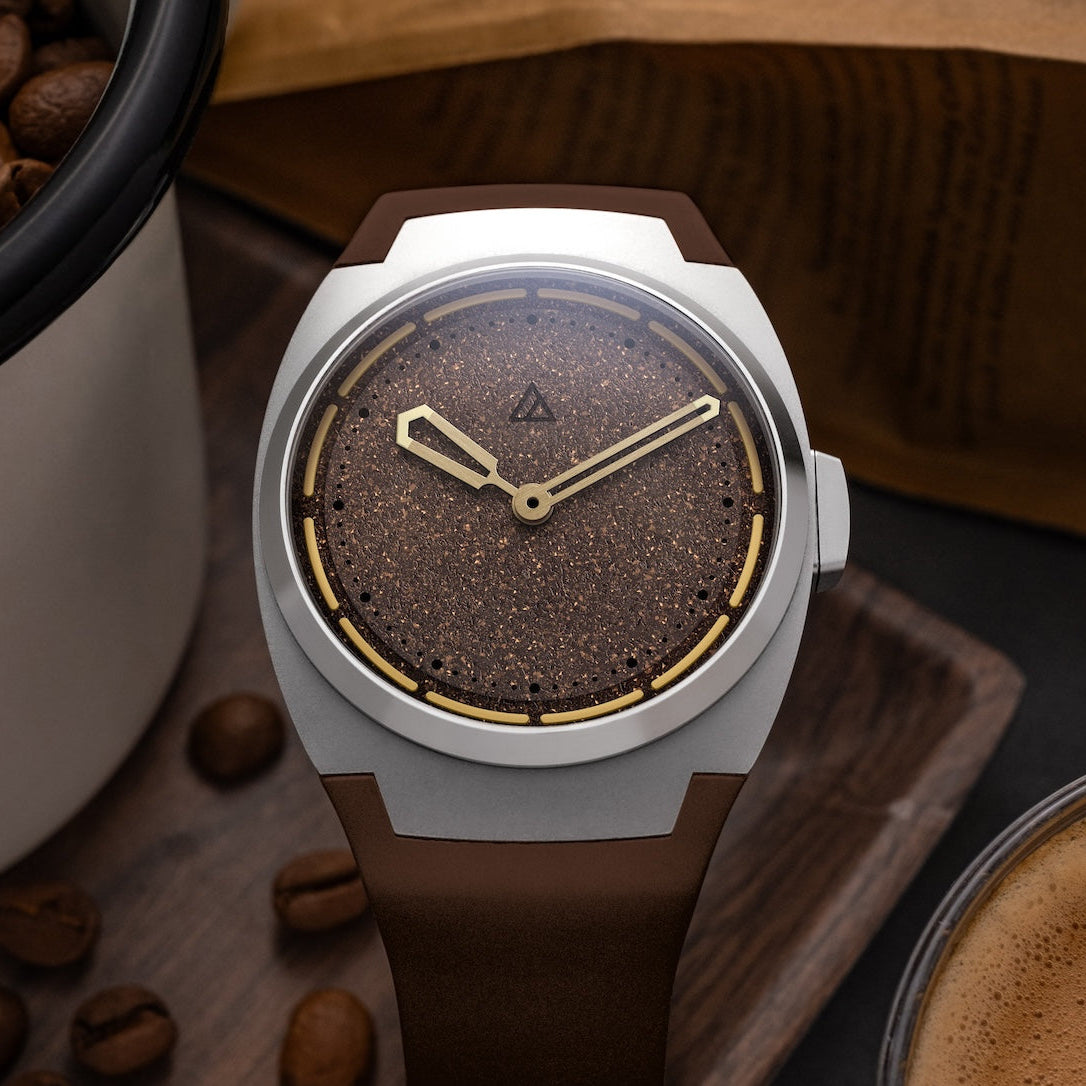
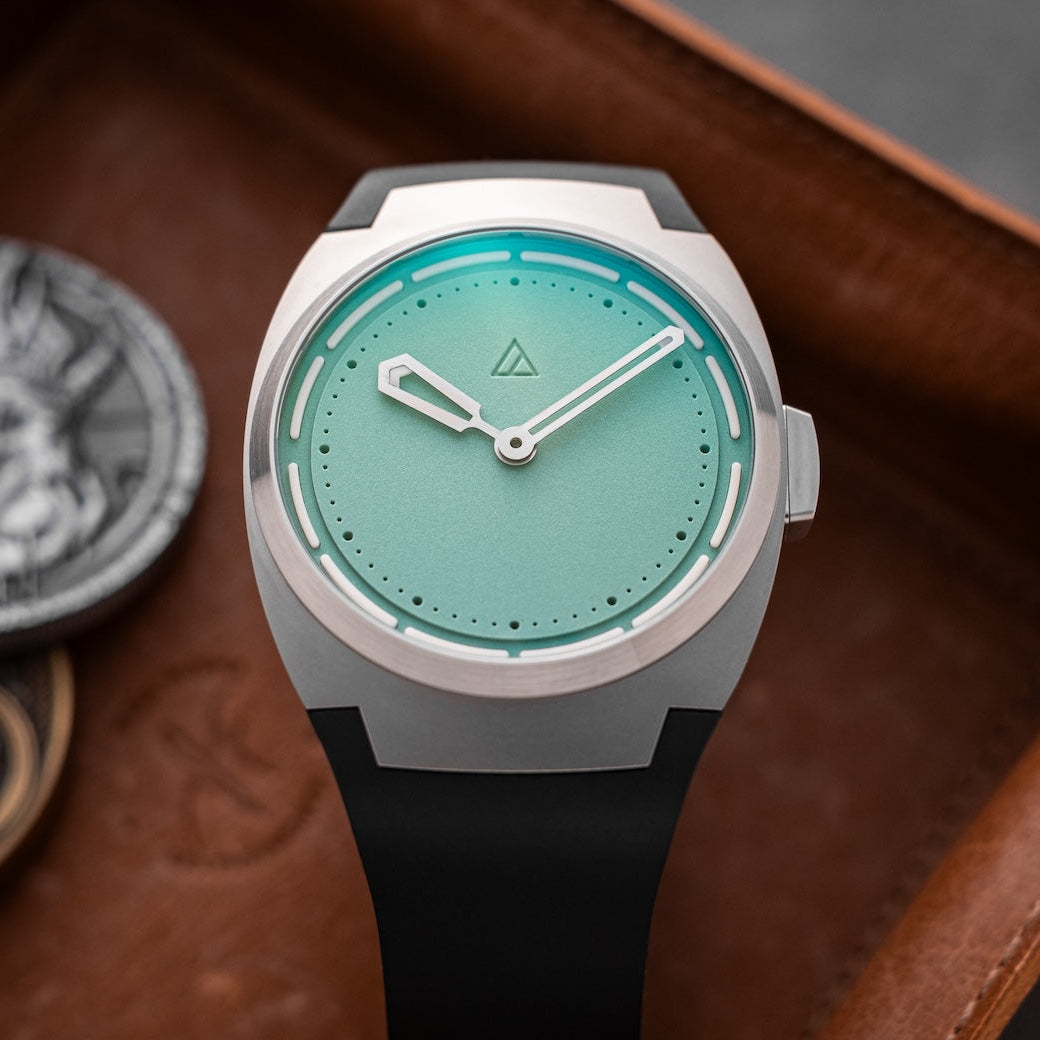
From the outside, creating a new stainless steel case can appear deceptively straightforward. Make it a little smaller. A little larger. Adjust a few measurements. Send the files to production. Done.
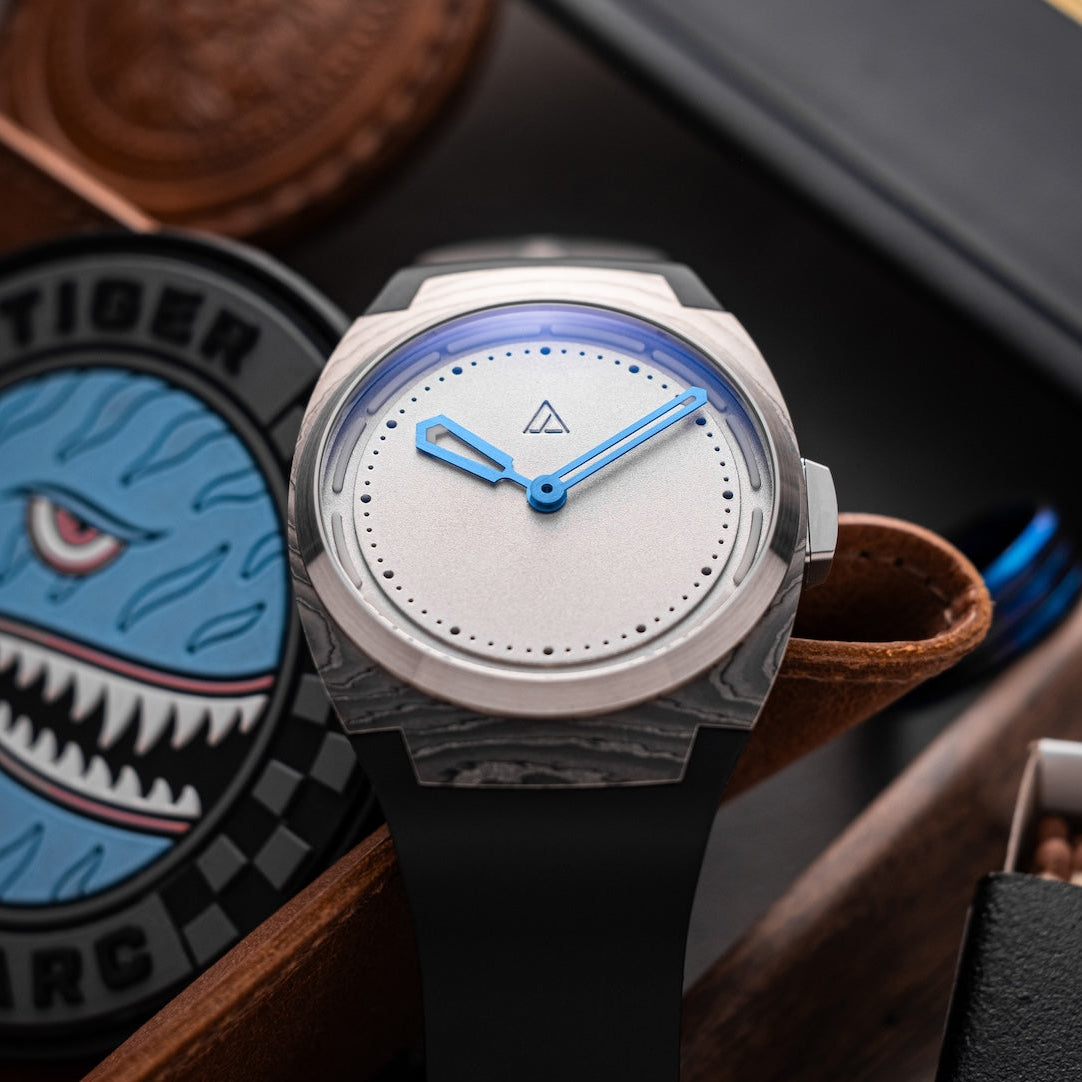
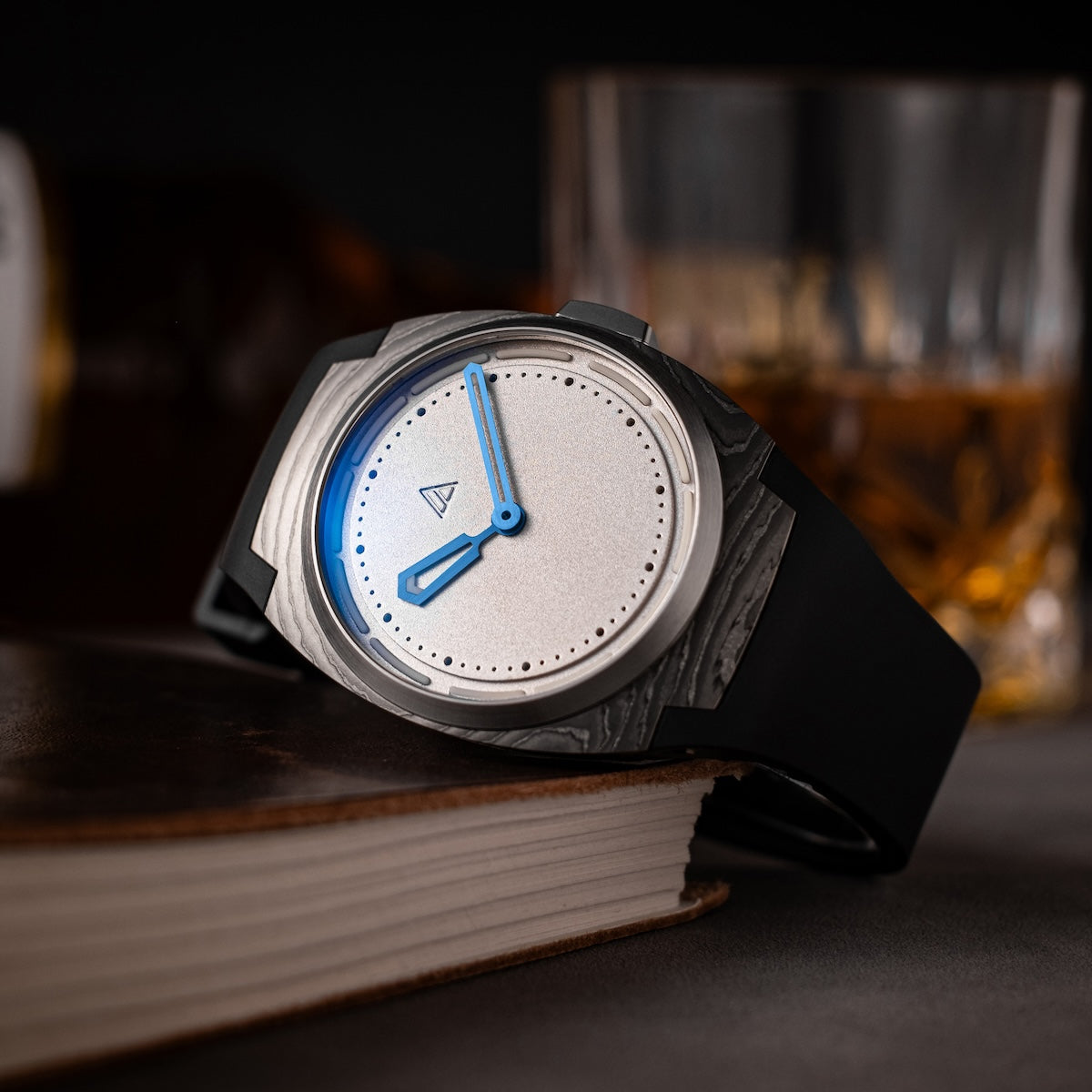
In reality, a new case platform is one of the most demanding projects an independent watch company can undertake.

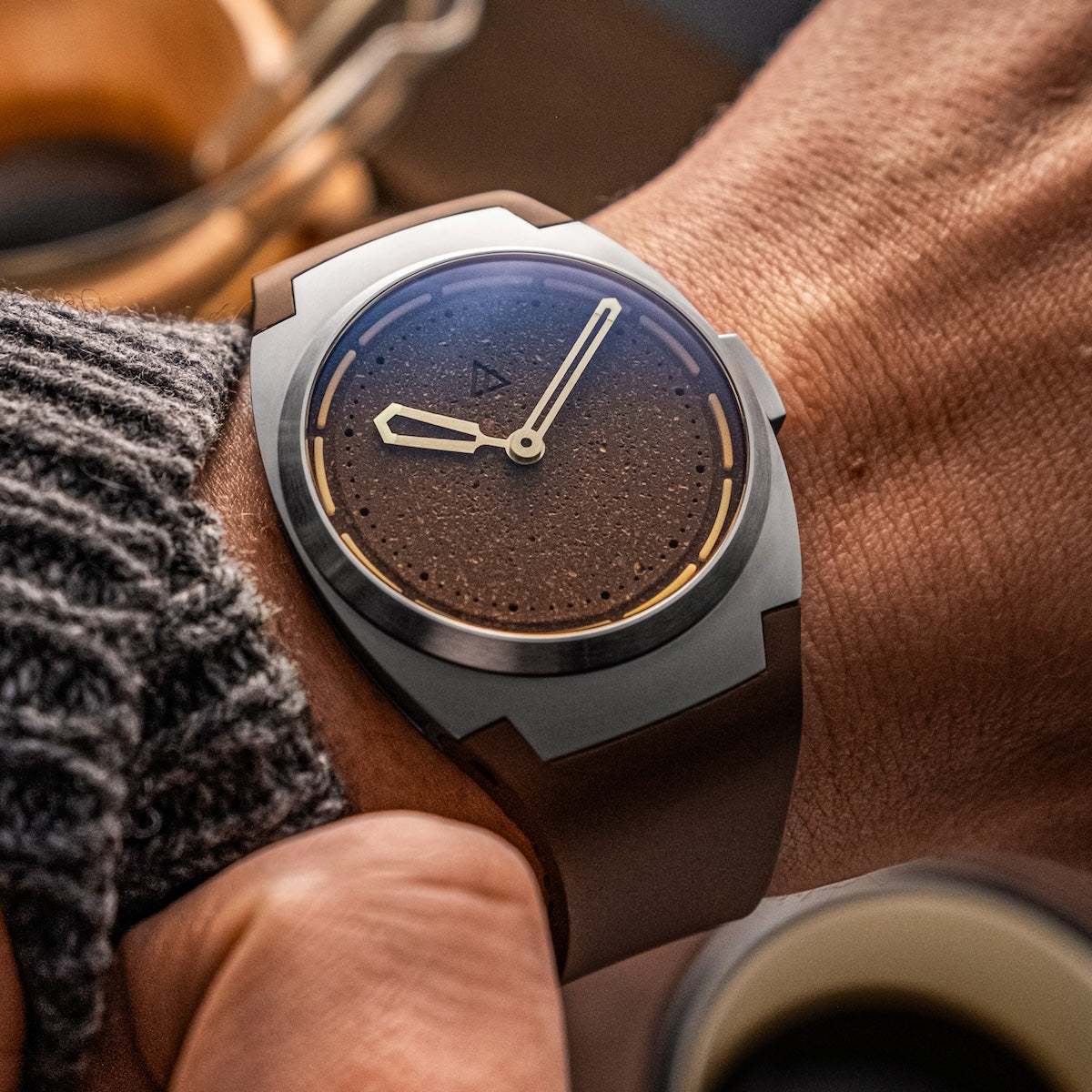
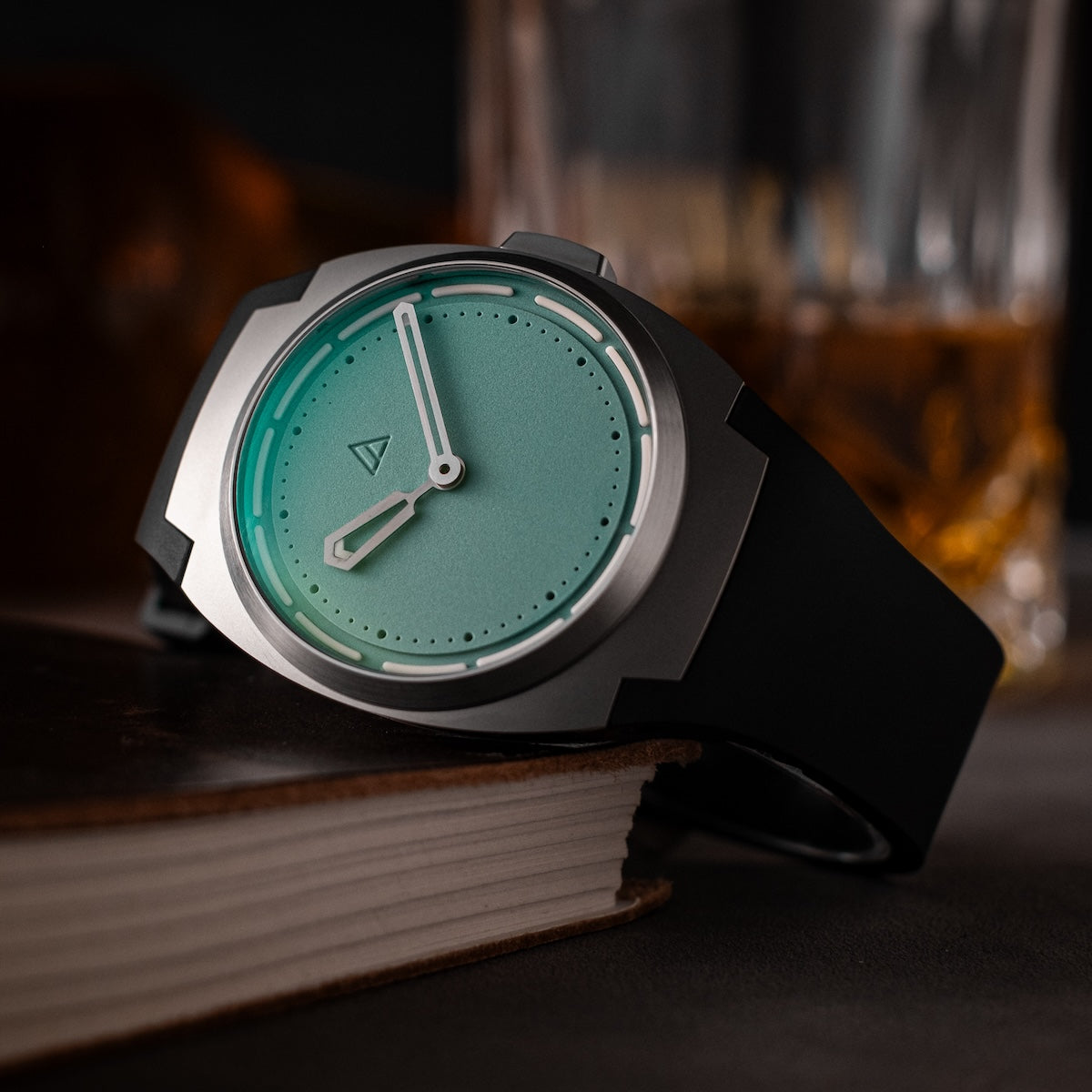
Every dimension of a watch exists in dialogue with another. Change the diameter, and lug curvature behaves differently. Alter thickness, and the visual weight shifts. Adjust bezel width by half a millimetre, and the crystal suddenly catches light in an entirely different way. Even the ergonomics of the crown, the balance of the case flanks, and the perceived depth of the dial can change massively despite the adjustments being microscopic.
And stainless steel is unforgiving. Okay, not as brutal to work with as titanium, platinum, or (shudders) tantalum, but it's tougher than working with paper. Trust us. We've tried*.
*We also tried making a case out of paper — water resistance was shit.
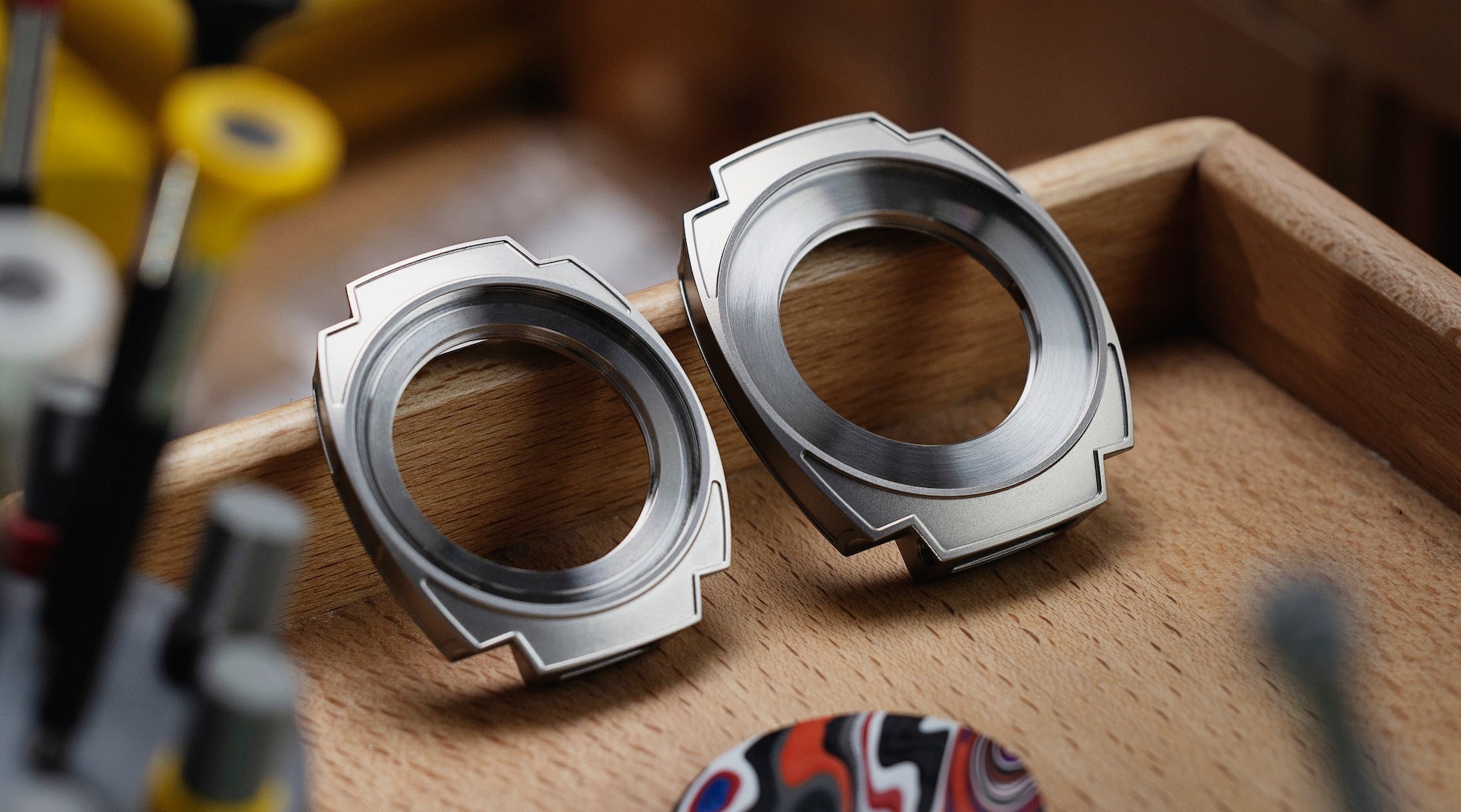
Before a single finished case exists, the process begins with countless hours of CAD modelling, engineering calculations, and tolerance analysis. Then come the prototypes. Usually several rounds of them.
An early prototype may only exist to evaluate proportions on the wrist. These days, we can at least 3D print these (which is a Godsend), but even that process (mostly done externally) has its foibles.

The next round of prototypes is created to test machining feasibility. Once that's sorted, we move on to brushing transitions or the geometry of polished bevels. Sometimes a case looks perfect digitally, only to feel visually heavy once cut in steel. Sometimes the opposite happens. Sometimes a tiny surface transition that appears insignificant on a rendering becomes completely unacceptable under macro photography and direct light.
Then there are the technical realities beneath the surface.
Gasket tolerances must be tested repeatedly to ensure water resistance. Crystal seating tolerances often require adjustment measured in hundredths of a millimetre. Finishing techniques must be adapted to new geometries to maintain consistency across every visible surface.
None of this happens quickly.
A single prototype cycle for a stainless steel case can take weeks, months, sometimes more than a year depending on tooling availability, machining schedules, finishing revisions, and assembly testing. Multiply that across several iterations, and the timeline stretches far beyond what most people imagine when they hear the phrase “new case size.”
But this process matters.
Because whatever we do, we want to do it well.

We owe that to ourselves, but even more so to you — the people who have joined us along this journey and kept us in the game.
The encouraging part is that this project has also changed the way we work internally. Over the past year, we’ve refined our development pipeline, strengthened relationships with manufacturing partners, and built a more agile prototyping process that allows us to move from concept to creation with greater speed and precision than ever before.
That doesn’t mean we will rush.
It means we can continue to do what we do best: experiment!
More proportions. More ideas. More platforms. More expressions of what Arcanaut can become.
The next case is only the beginning.

Leave a comment
This site is protected by hCaptcha and the hCaptcha Privacy Policy and Terms of Service apply.