

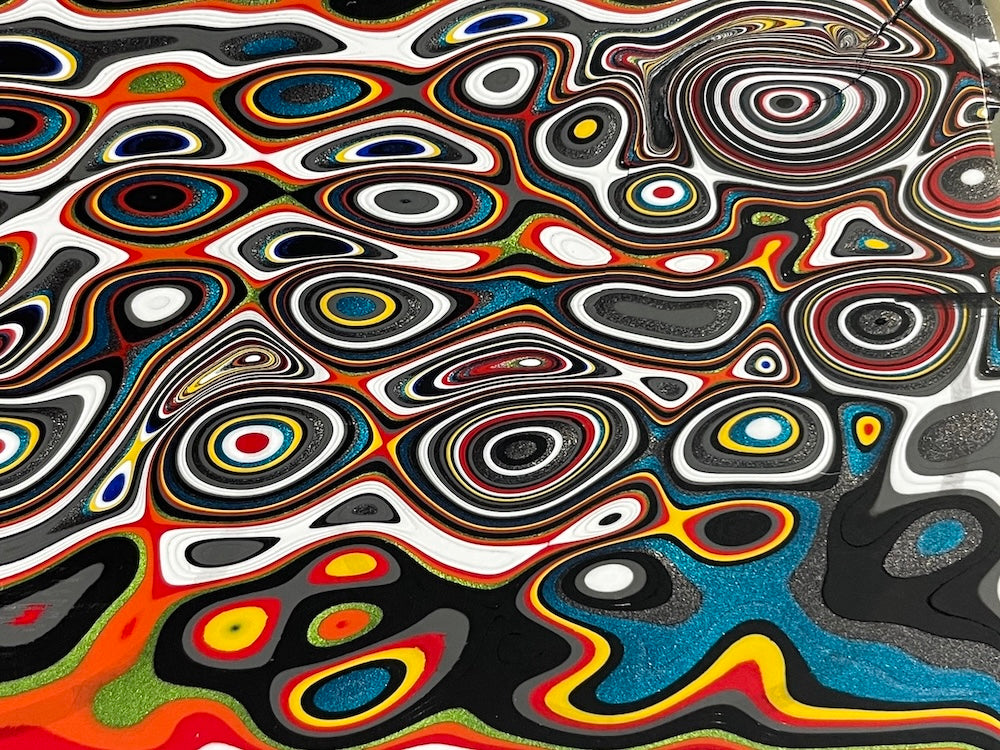
Fordite is usually discussed as if the interesting part begins when somebody cuts it open. In reality, the story starts much earlier, with the chemistry of the paint itself.
The layers trapped inside a piece of Fordite are a record of how cars were coloured during a period when automotive paint was changing rapidly. A chunk recovered from an old American factory may contain solids, metallics, primers, enamels, lacquers and early clear-coat systems, stacked one on top of another in an order dictated not by an artist, but by whatever happened to be passing through the paint shop that week.

Early automotive finishes were relatively simple by modern standards. Nitrocellulose lacquers became common during the first half of the 20th century because they dried quickly and could be polished to a high gloss, but they required considerable labour and offered limited durability. Alkyd and acrylic enamels subsequently provided harder, more weather-resistant surfaces, while acrylic lacquers became particularly associated with the exceptionally glossy finishes of post-war American cars.
 By the 1980s, however, the industry was moving decisively towards the basecoat/clearcoat architecture that remains familiar today. Rather than asking one coat to provide colour, gloss and protection simultaneously, manufacturers separated those jobs. A comparatively thin pigmented basecoat established the colour and visual effect before a transparent clearcoat supplied gloss, chemical resistance and protection.
PPG dates the broader shift from single-stage coatings towards two-coat systems to the 1980s, alongside the growing use of pearl, mica and increasingly sophisticated metallic effects.

That matters for Fordite because its appearance changes depending on the period from which it came. Older deposits can contain thick bands of comparatively straightforward solid colour. Later material becomes increasingly complex: metallic particles, pearl effects, clear layers and different primer systems begin appearing inside the strata.
And then there are the colours themselves.
American cars of the 1970s wore a palette that now seems inseparable from the decade: avocado greens, muddy yellows, burnt oranges, bronze, rust, gold and brown. PPG (Pittsburgh Plate Glass Co. — a world leading company focused on colourings and coatings) describes the period as dominated by earthy colours deliberately softened with grey, reflecting a growing cultural interest in nature and environmentalism.
The names were often better than the colours.
Detroit understood early that nobody really wanted to buy a “brown” car. They wanted Cinnamon, Saddle Bronze, Burnished Sienna or some similarly evocative variation. Greens became Avocado, Jade, Moss, Forest or Emerald. Blues could be Arctic, Midnight, Sapphire or Admiral. Manufacturers weren’t merely identifying colours; they were giving buyers permission to imagine what those colours said about them.

By the 1980s the palette became cleaner. Red regained prominence, dark blues became common, white strengthened considerably, while metallic finishes grew increasingly sophisticated. Pearl effects appeared early in the decade and mica pigments followed later. Then, during the 1990s, America went spectacularly green. At its peak, green accounted for more than 20 per cent of the North American automotive colour market, with shades such as Emerald Green, Hunter Green and Deep Jewel Green becoming particularly representative of the period.
This gives period Fordite an unexpected archaeological quality. A vivid green band running through a piece isn’t merely decorative. It may belong to one of the strongest automotive colour fashions of the 1990s. A broad brown or gold layer immediately suggests an earlier aesthetic environment.
None of these choices, however, happened entirely by accident.
Car manufacturers plan colour remarkably far ahead. Coatings specialists including BASF develop trend forecasts several years before the vehicles themselves reach customers. Their colour designers study architecture, fashion, consumer products, technology, art and wider social behaviour, attempting to identify cultural changes early enough to translate them into something that will still feel desirable when a future car finally reaches a showroom. BASF says manufacturers may work three to five model years ahead.
The difficulty is that automotive colour is considerably more conservative than fashion.

Buying a red jacket is one thing. Buying a red car is a decision somebody may have to live with for a decade — and eventually sell to somebody else. Manufacturers therefore filter fashion through psychology, practicality and commercial risk.
Black communicates authority, sophistication and luxury. Red carries associations with speed, energy and performance. Blue has long been connected with trust and stability. Green can suggest nature, freshness or, in darker shades, traditional luxury. BASF’s own colour designers explicitly consider these psychological associations alongside wider societal trends when forecasting what buyers will want.
Then the accountants arrive.
A spectacular colour that photographs beautifully but appeals to three per cent of customers is unlikely to cover an entire production line. Neutral shades survive because they offend almost nobody. White, black, grey and silver consequently came to dominate the modern automotive landscape, together accounting for the considerable majority of cars produced in many markets.
Modern paint itself has also become far more controlled. Contemporary application uses highly efficient electrostatic systems, tightly regulated film thicknesses and sophisticated multi-layer coatings designed around corrosion protection, UV stability, durability and environmental legislation. What lands on the car is increasingly engineered to stay there.
That makes old Fordite doubly interesting.

It preserves not only colours that have disappeared, but an obsolete way of applying them. Every stripe represents a moment when paint missed its intended car, landed somewhere it wasn’t supposed to be, survived the curing oven and waited for the next colour to arrive.
Seen that way, Fordite isn’t simply recycled paint.
It is a cross-section through several decades of American taste.
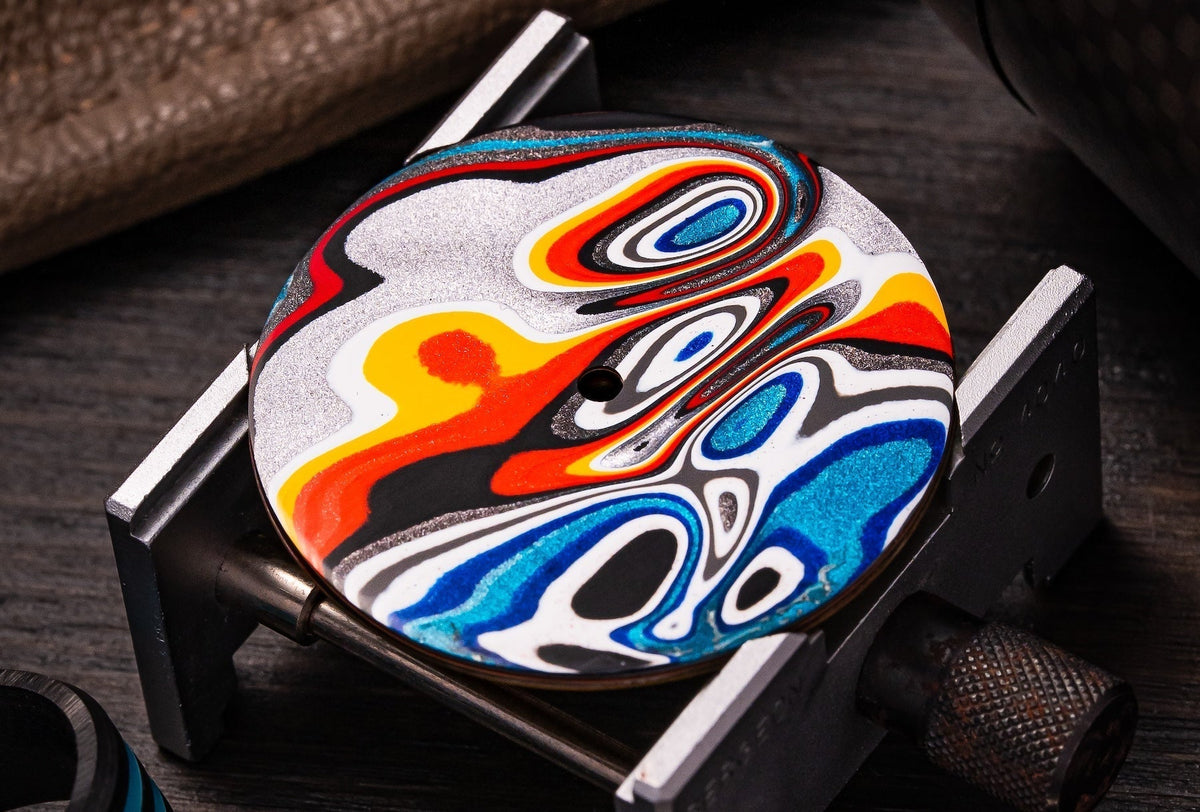
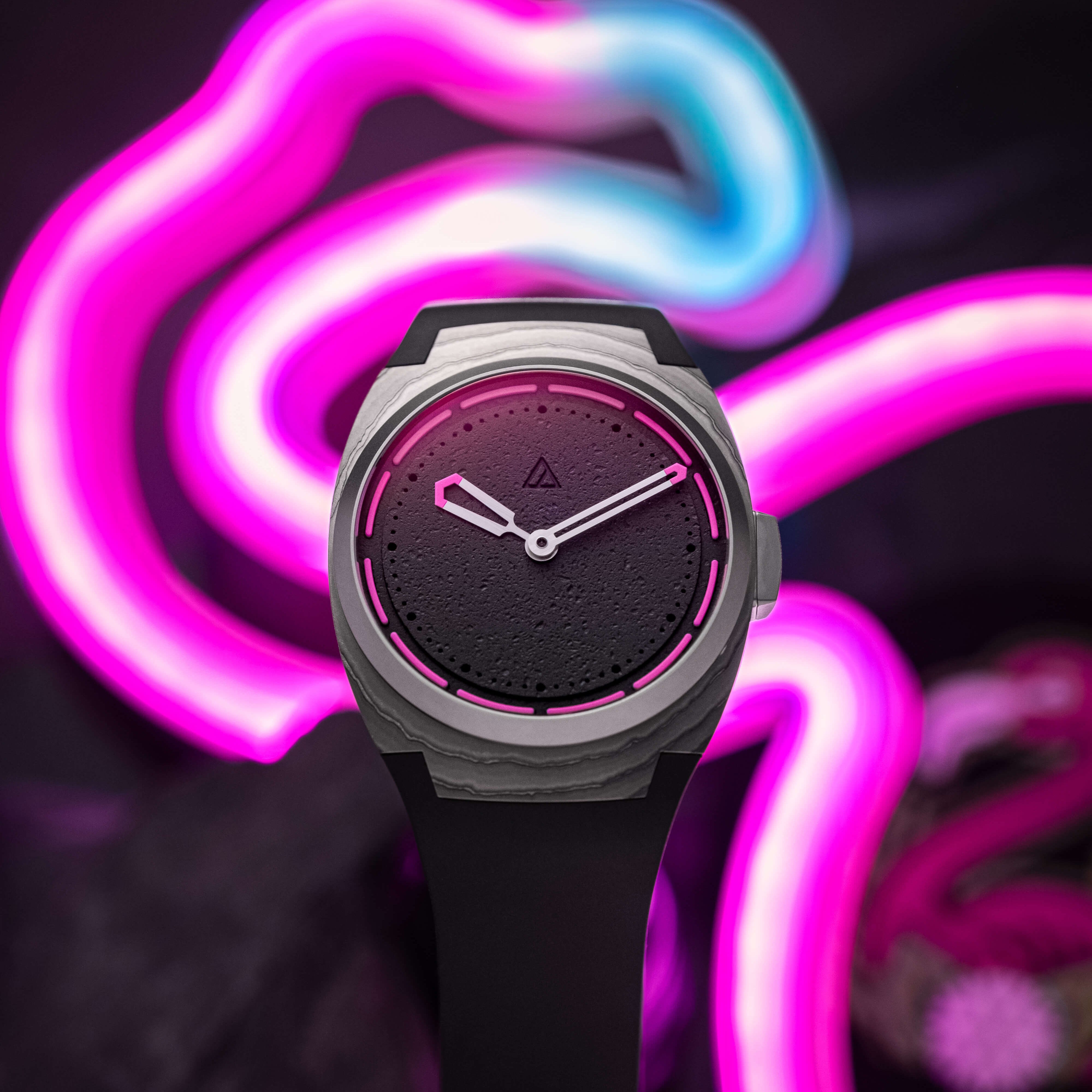
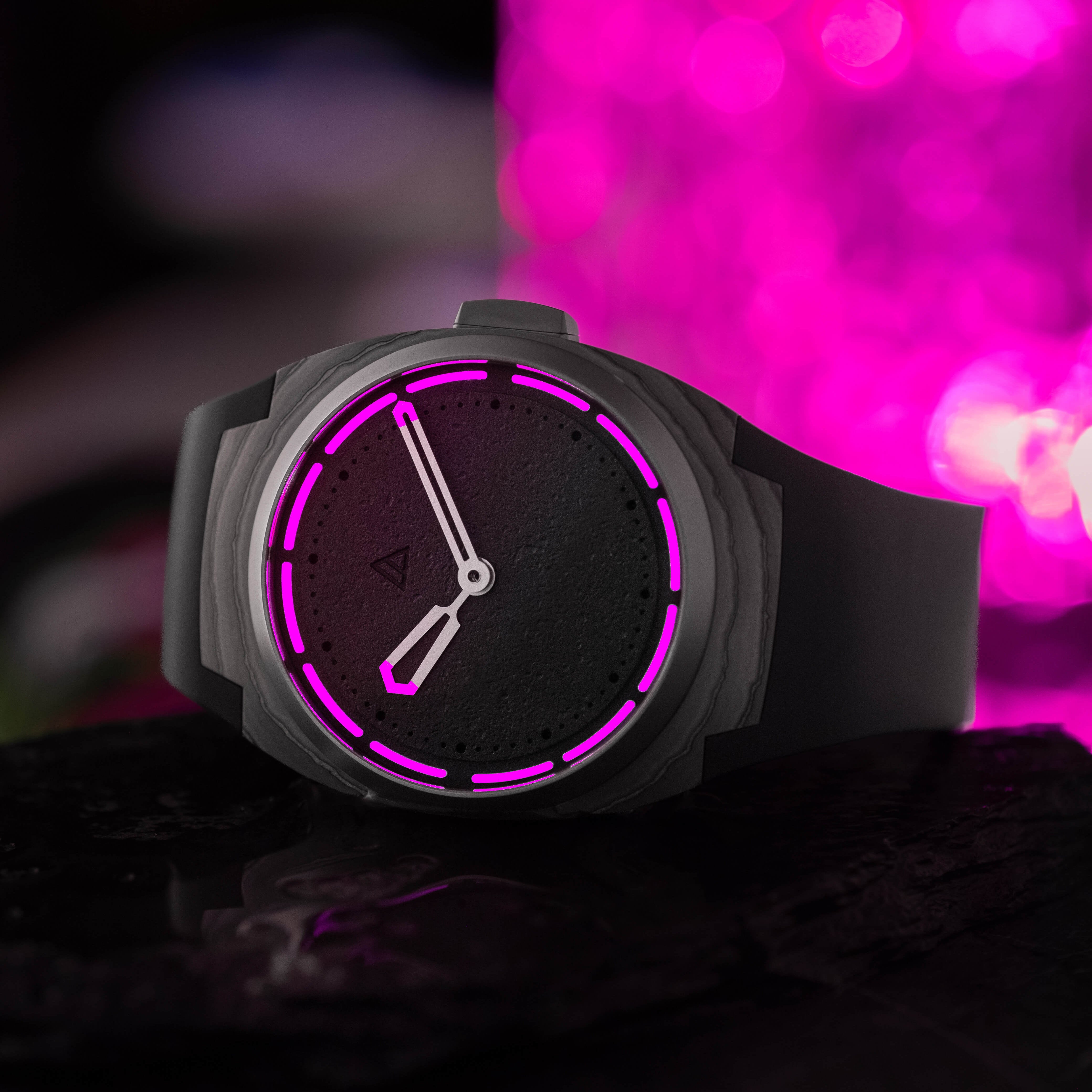
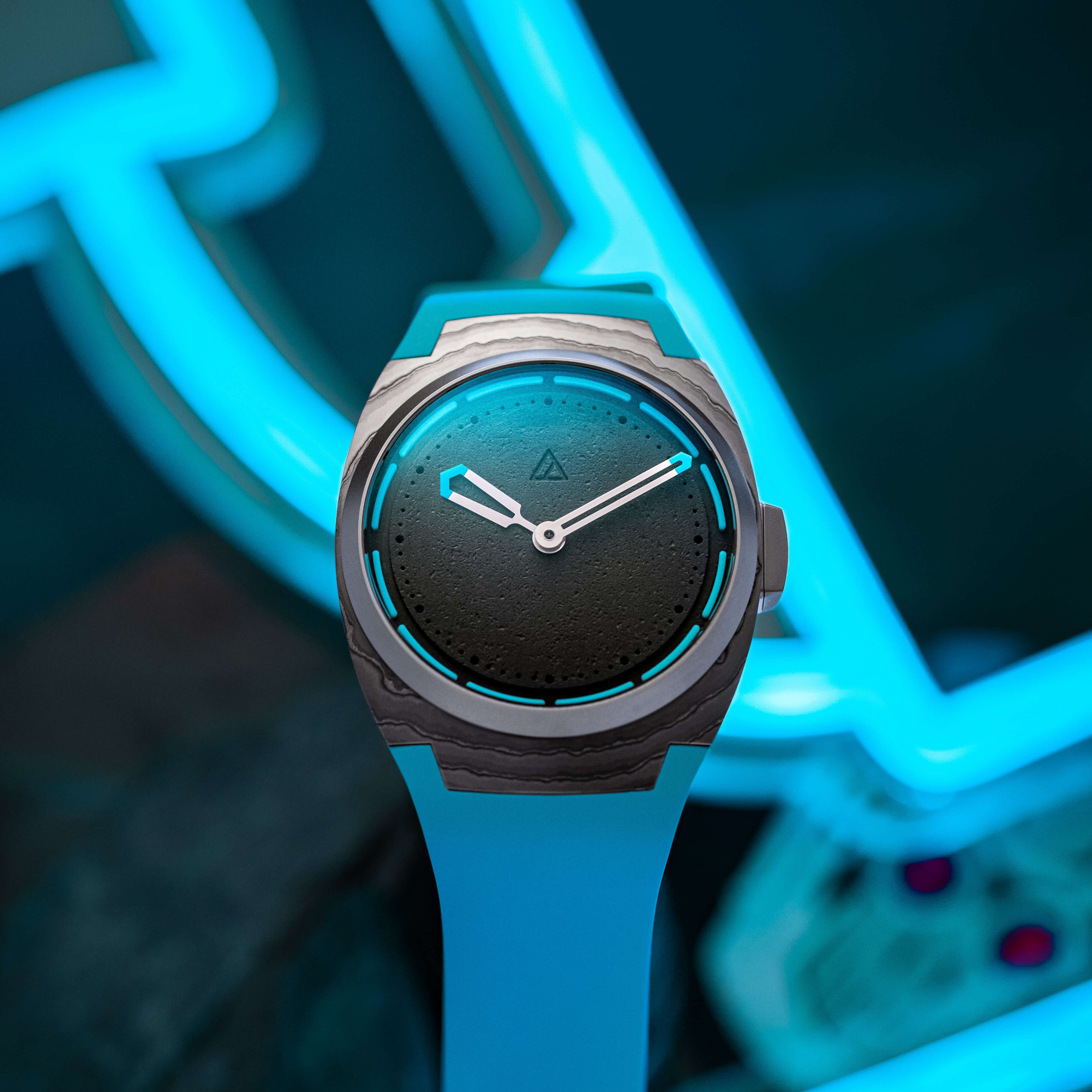
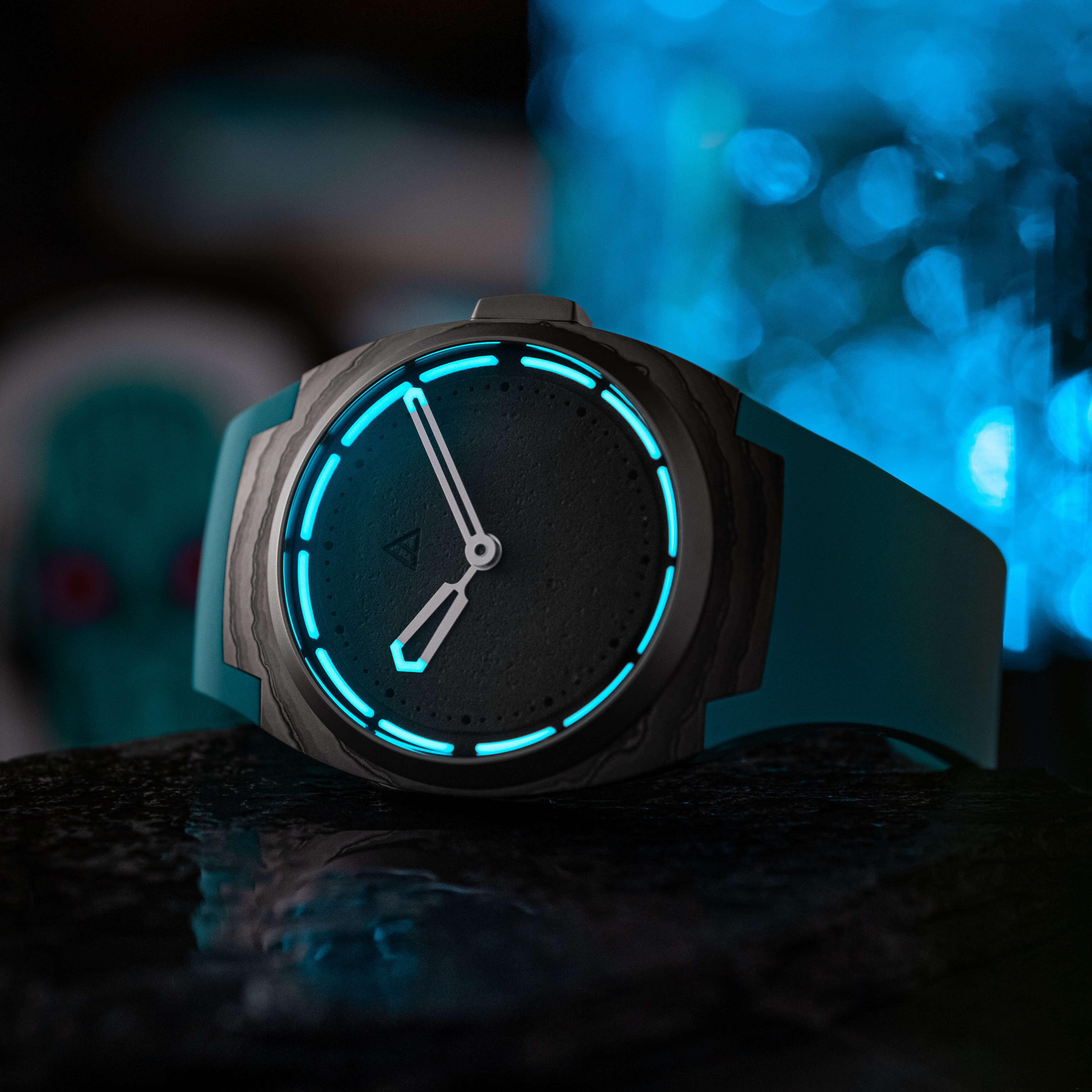
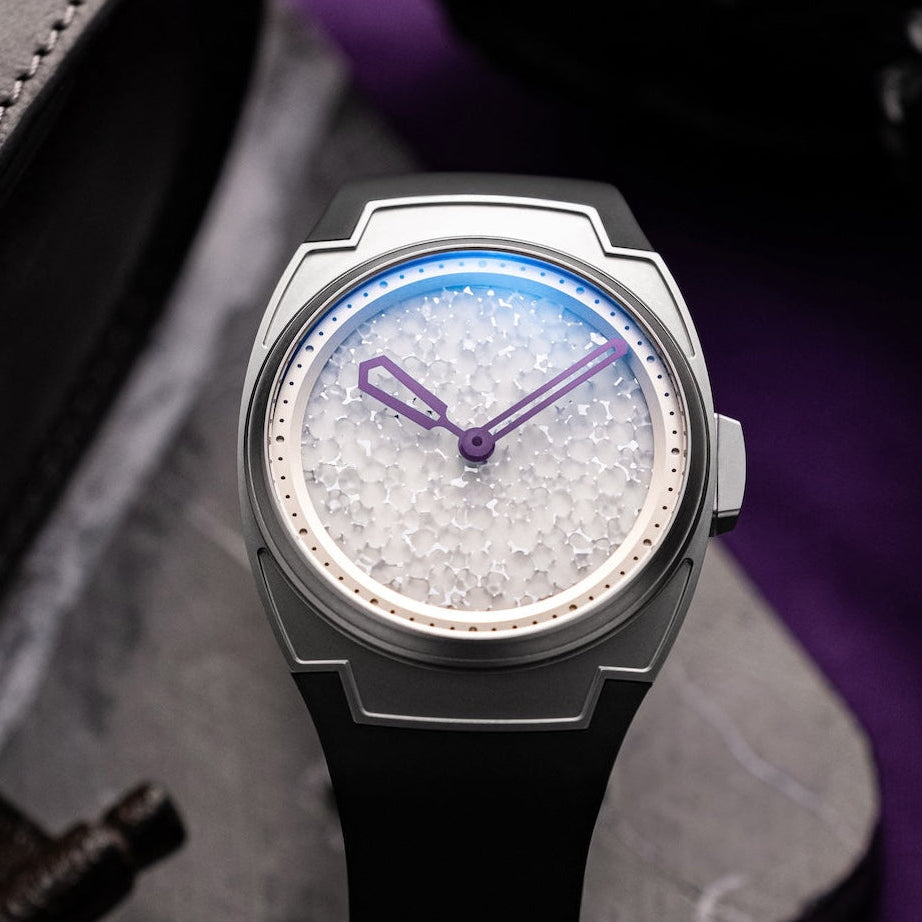
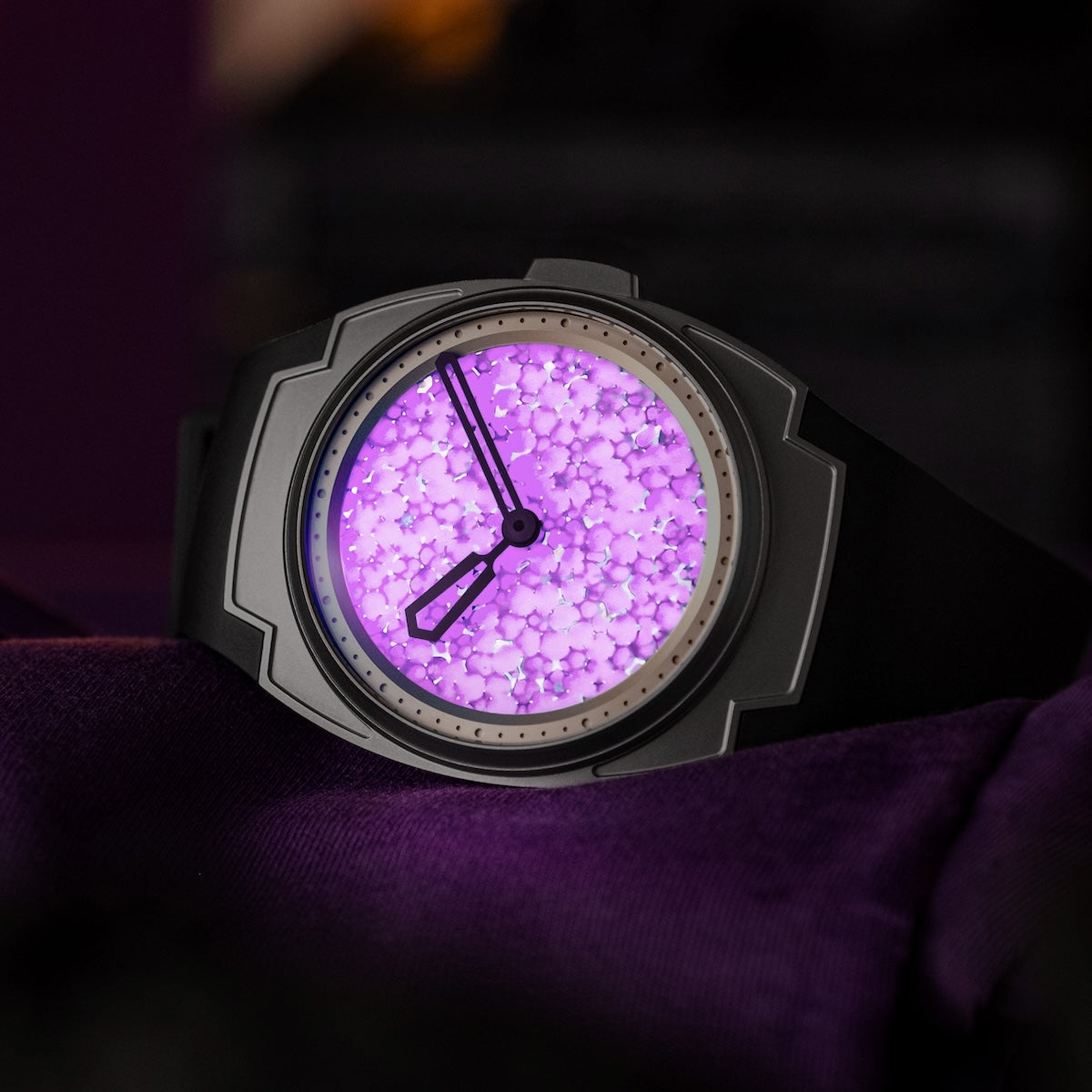
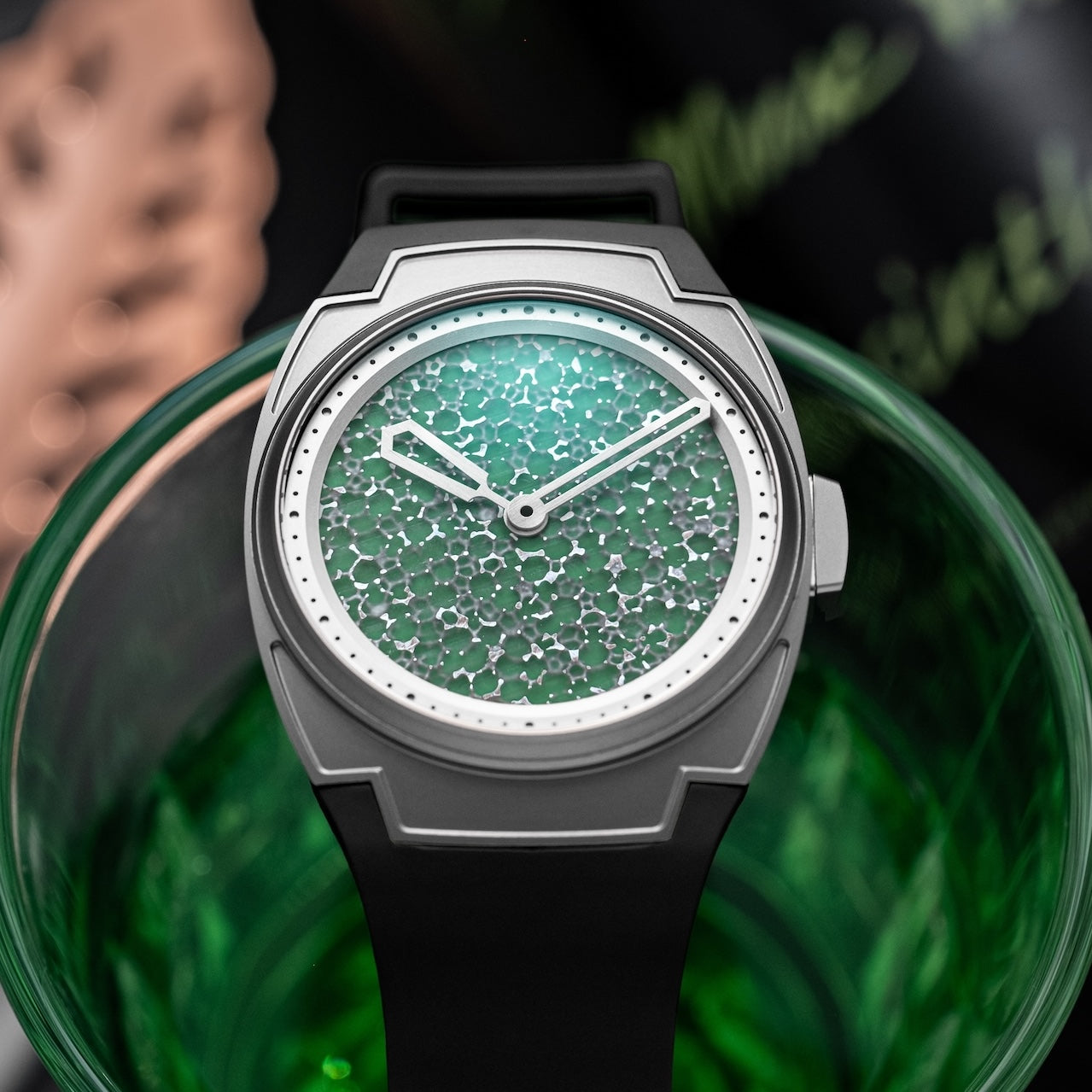
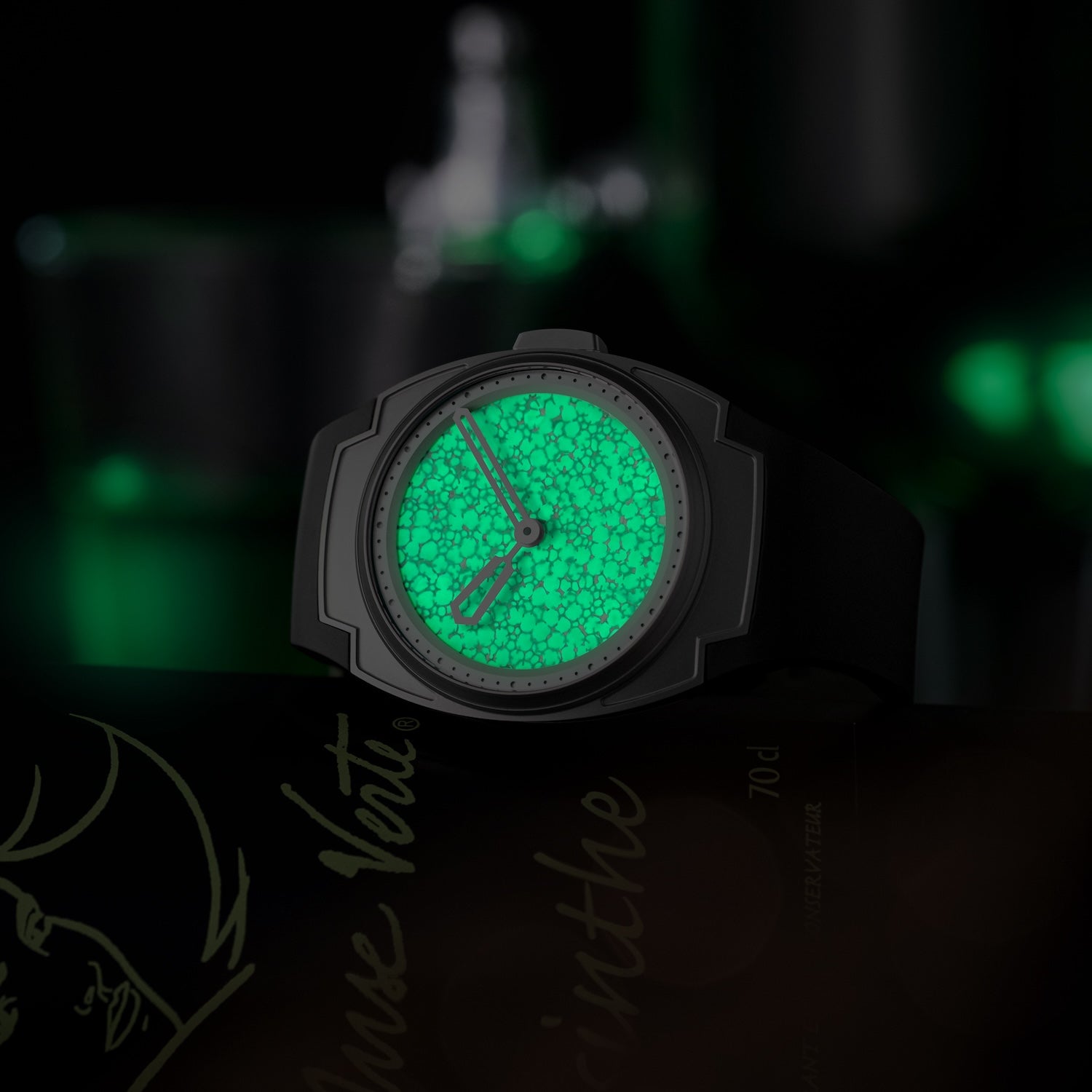
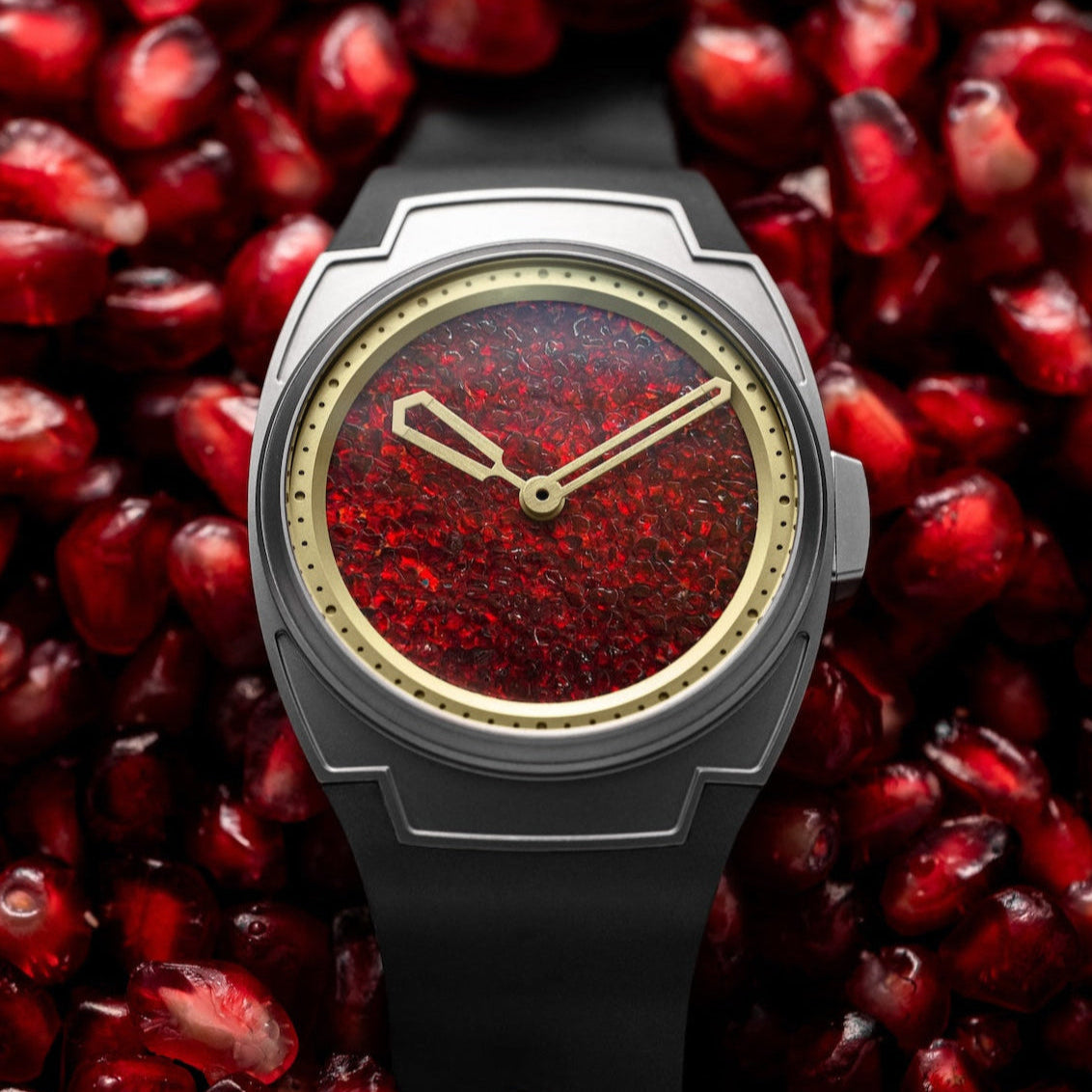
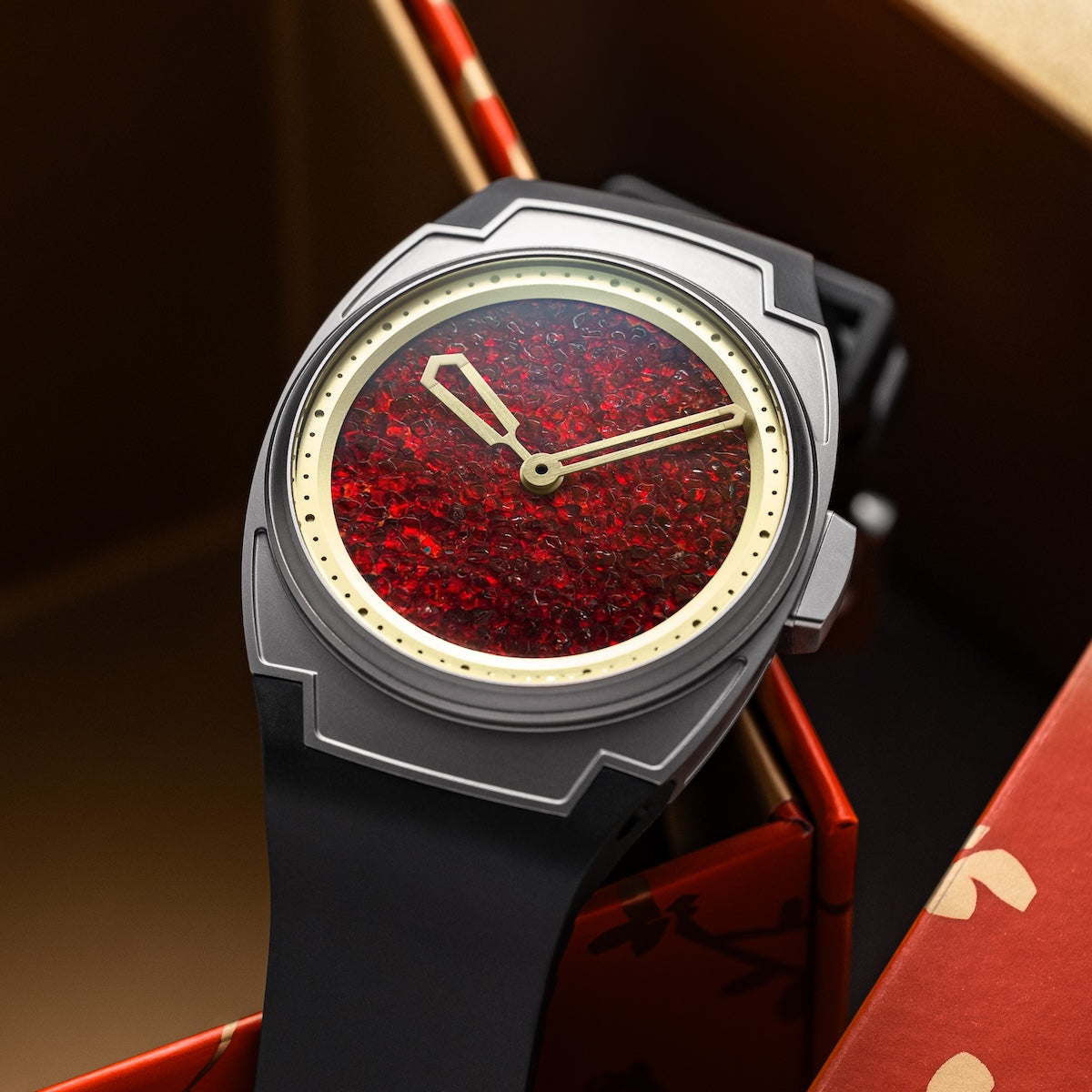
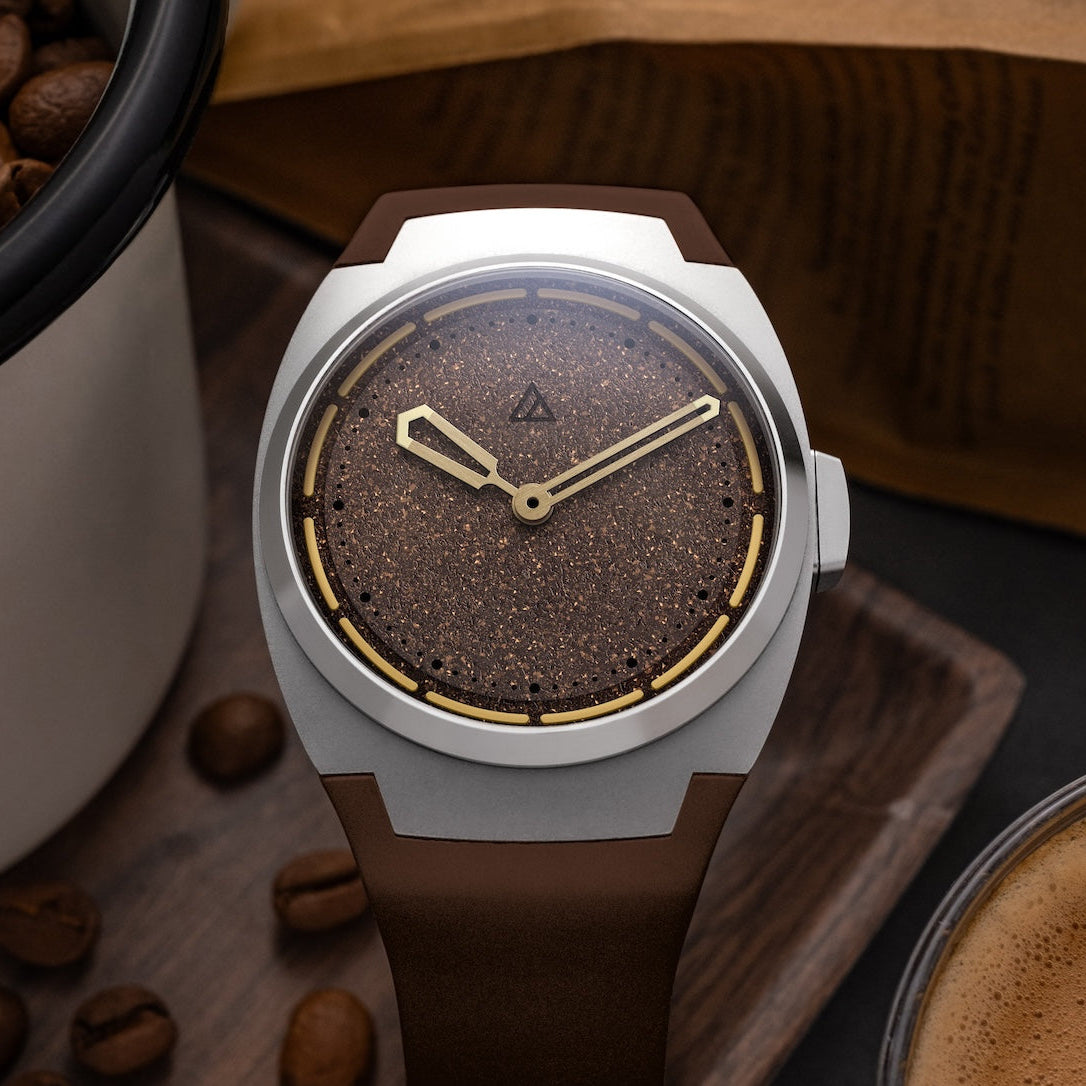
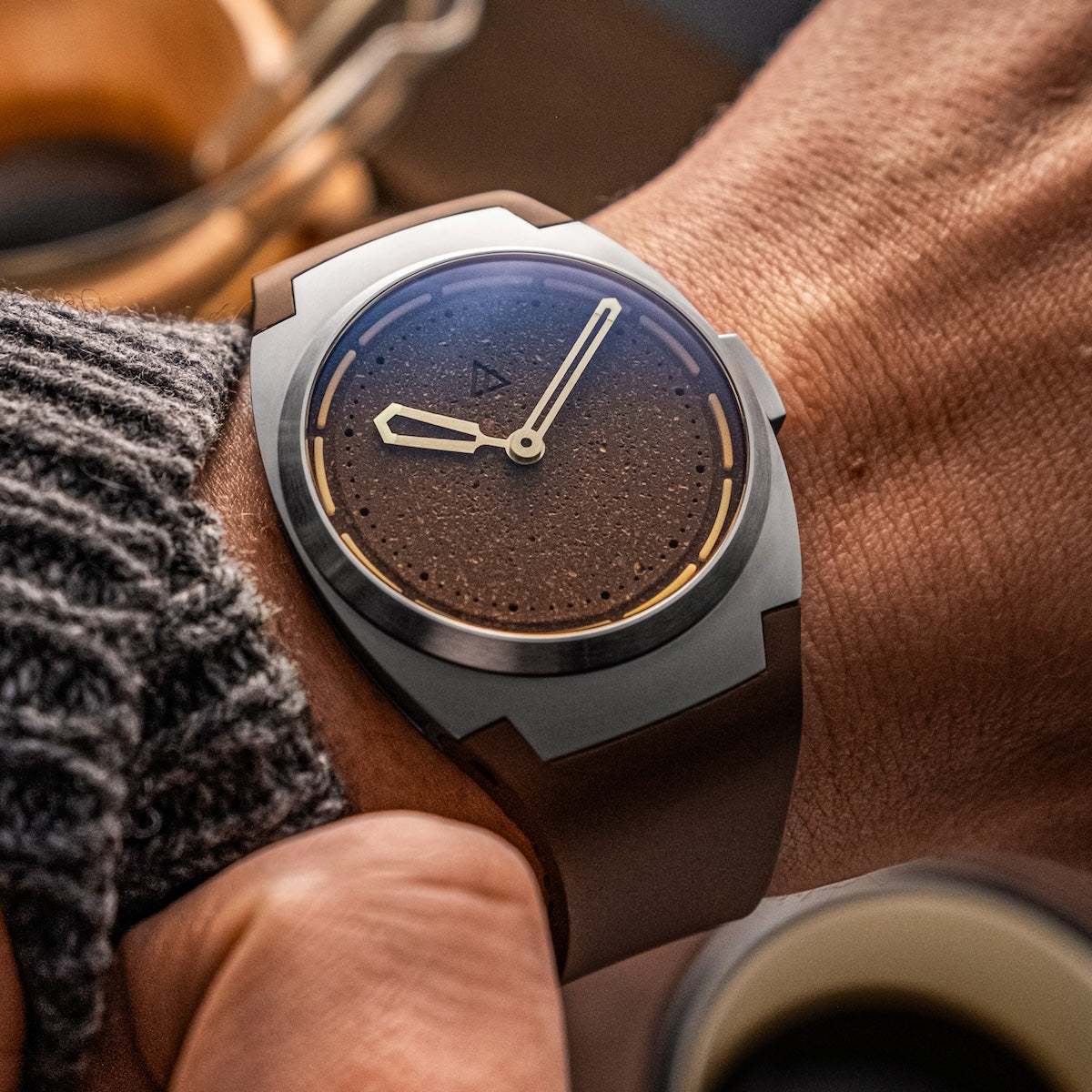
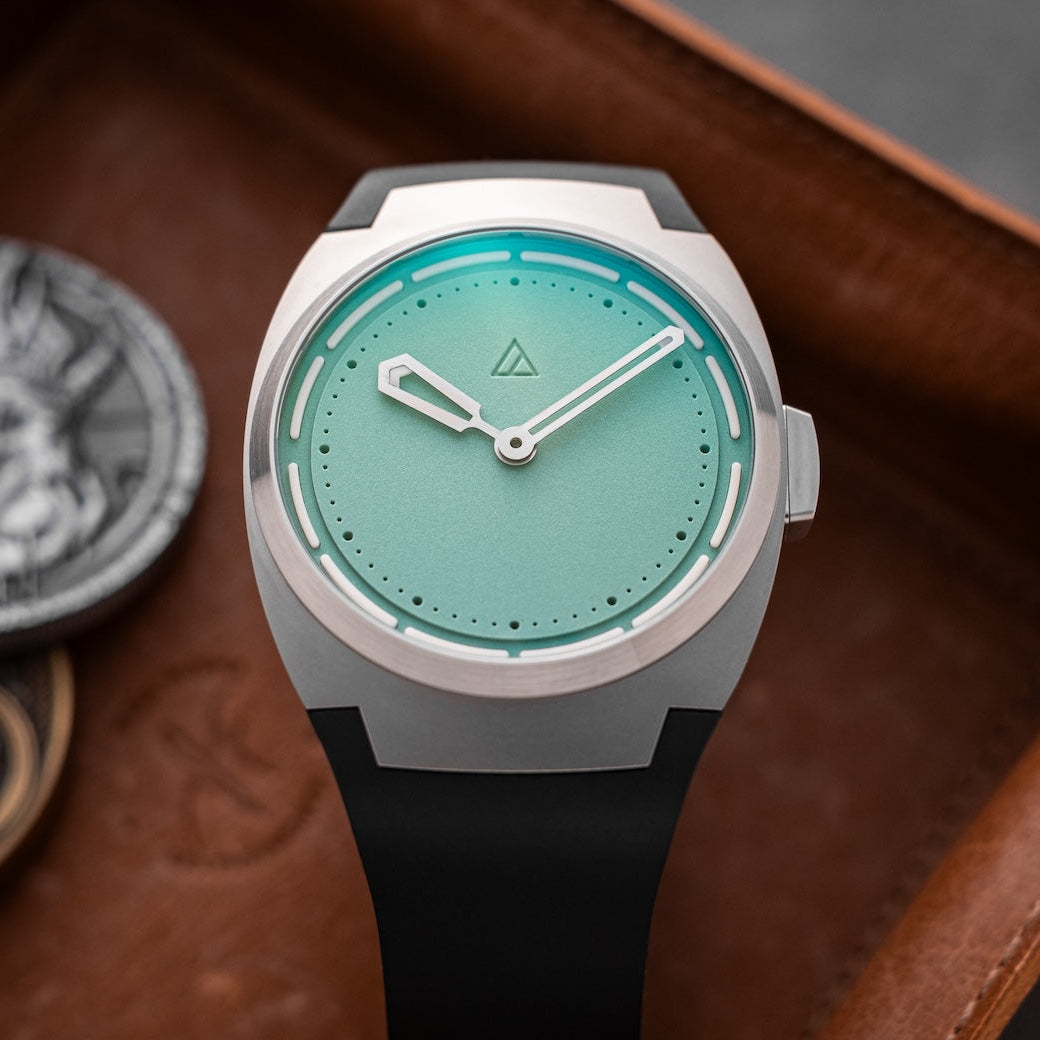
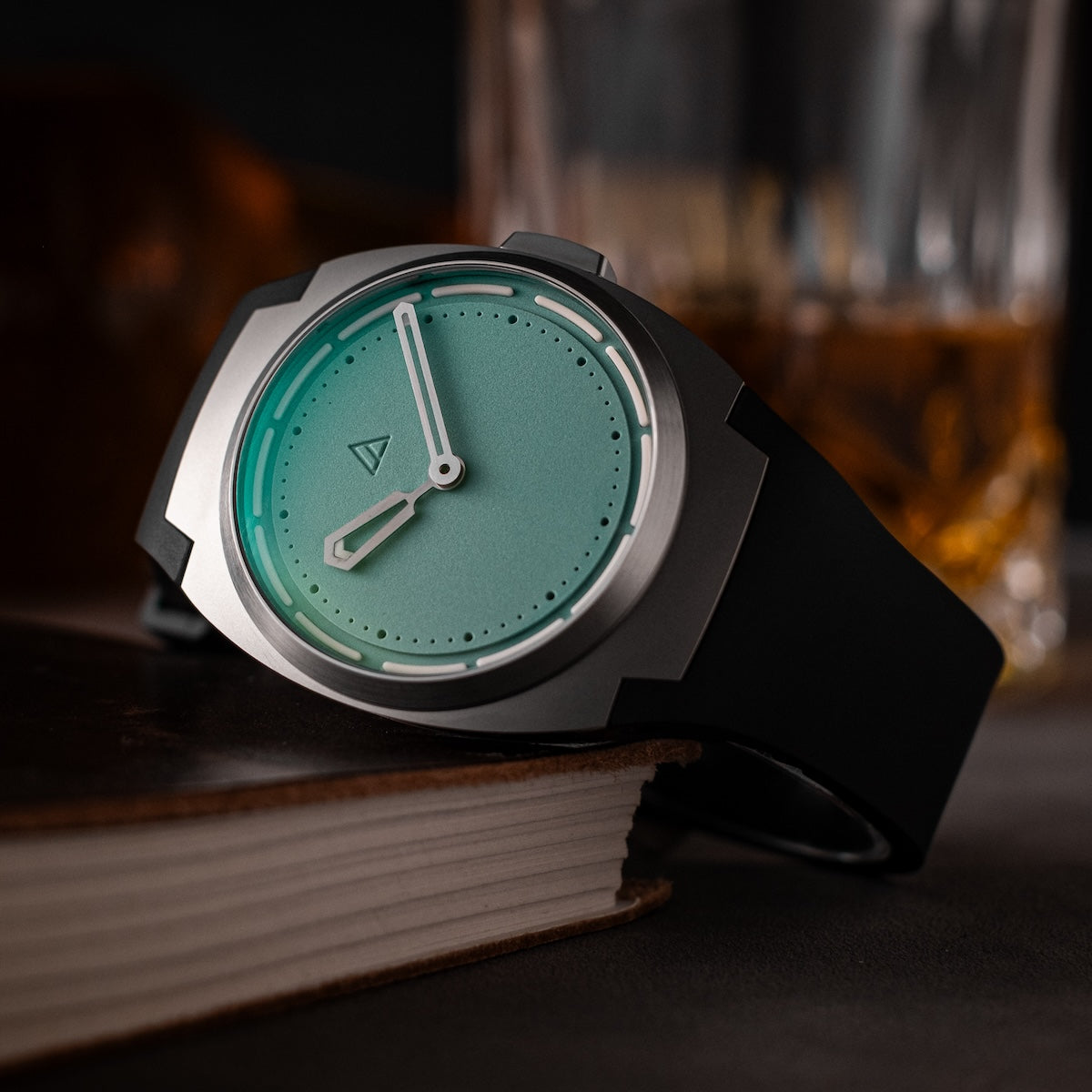
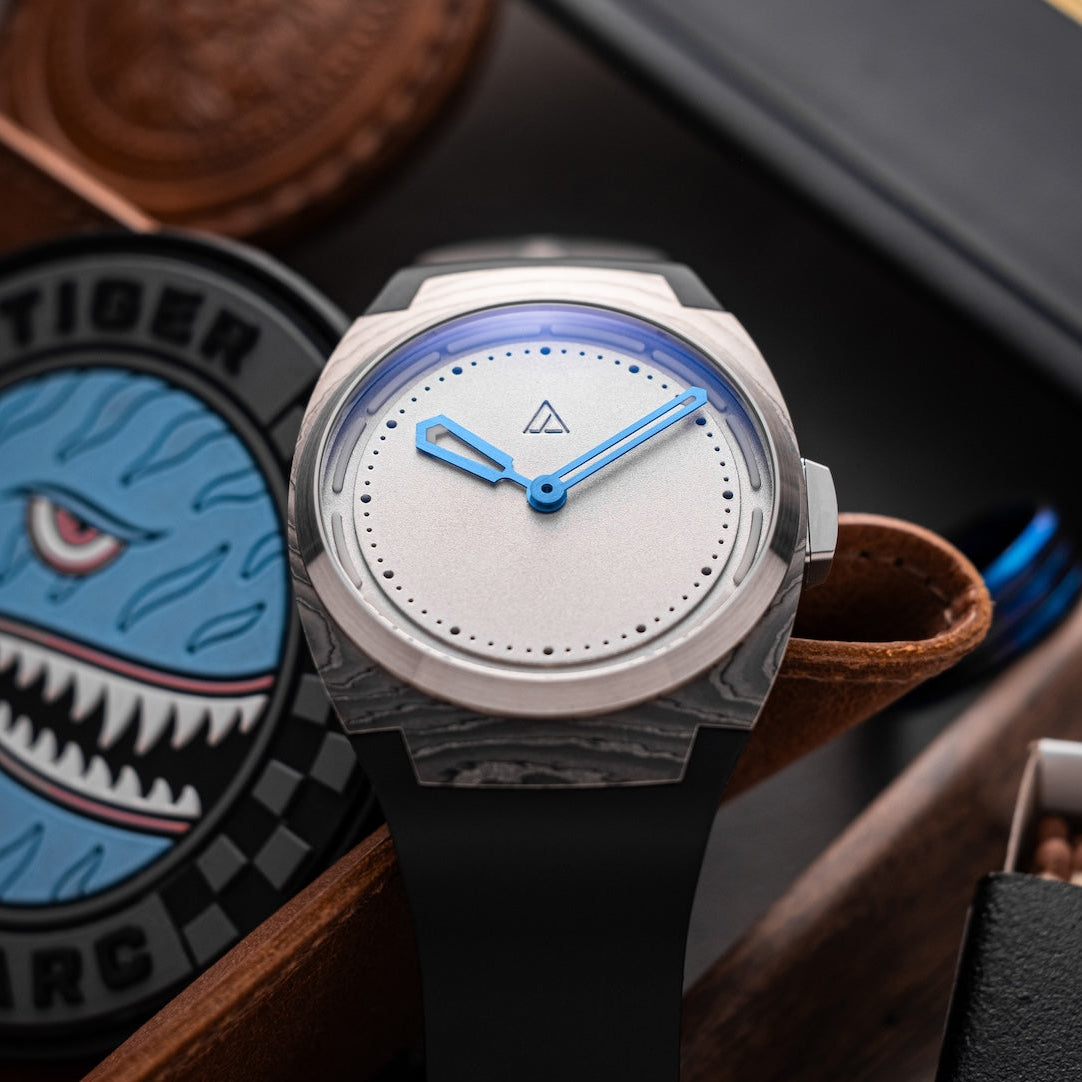
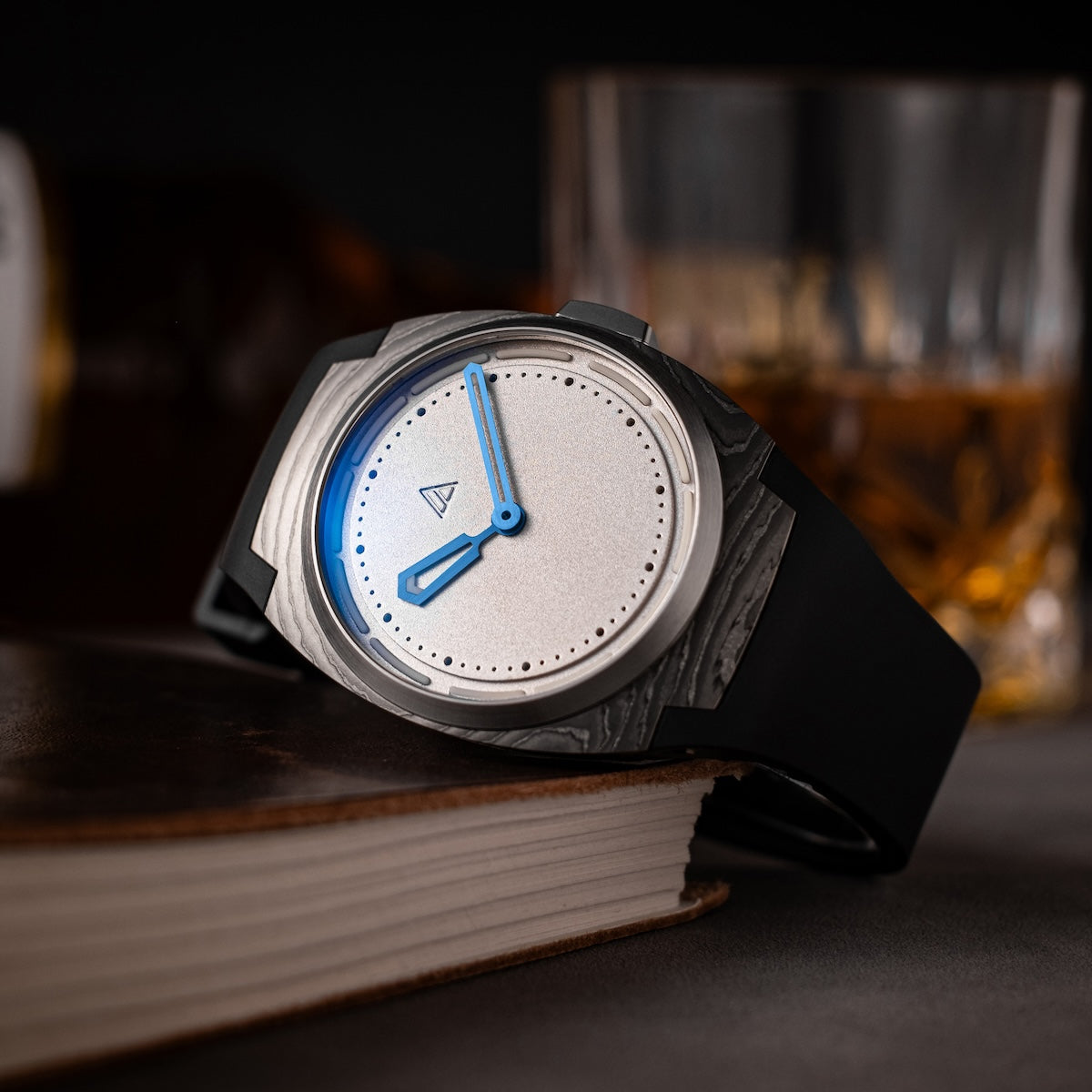
Check out the available Fordite dials and the new Fordite 2.0 configurator on the official Arcanaut website here.
Sign up below to get notified for futures releases of the Fordite series.

Leave a comment
This site is protected by hCaptcha and the hCaptcha Privacy Policy and Terms of Service apply.